Discover how advanced patient portal software can revolutionize your clinic operations and elevate...
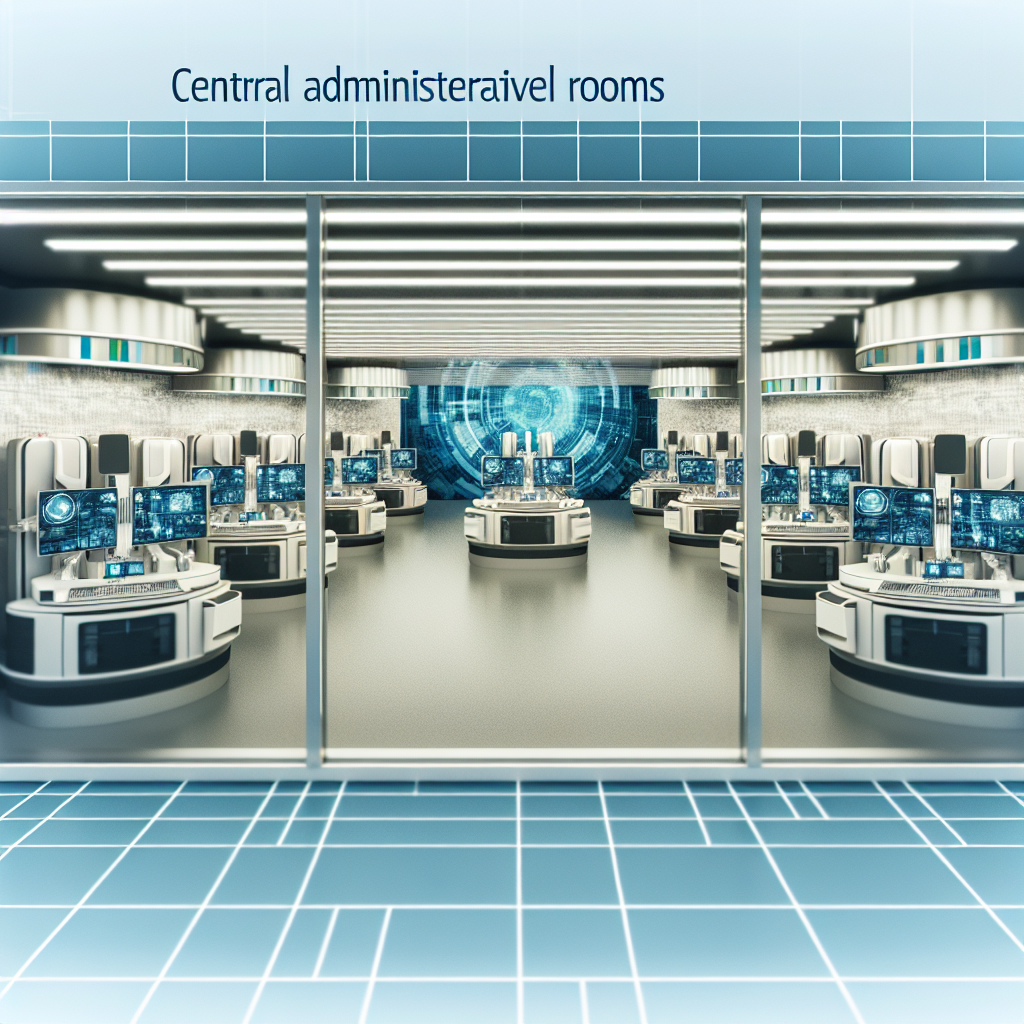
In today's rapidly evolving healthcare landscape, investing in core administration technology is no longer a luxury but a necessity for optimized operations and enhanced patient care.
The Rising Importance of Core Administration Technology in Healthcare
The healthcare industry is witnessing an unprecedented demand for efficient, reliable, and patient-centered services. As patient numbers grow and medical complexities increase, traditional administrative methods are proving inadequate. Core administration technology emerges as a crucial solution that not only streamlines operations but also enhances the quality of care provided.
The integration of advanced technology in healthcare administration allows for better management of patient records, optimized workflow, and reduced administrative burden. These improvements translate directly into more time and resources that can be dedicated to patient care, ultimately enhancing patient outcomes.
Key Benefits of Investing in Advanced Healthcare Administration Systems
Investing in advanced healthcare administration systems offers numerous benefits that strongly impact both healthcare providers and patients. First and foremost, these systems drastically reduce the time spent on administrative tasks, allowing healthcare professionals to focus more on patient care.
Furthermore, advanced systems like Healthray ensure the accurate management of medical records, facilitate seamless communication among healthcare providers, and enhance overall operational efficiency. This results in shorter waiting times, improved patient satisfaction, and better health outcomes.
Challenges Faced by Healthcare Providers Without Modern Administrative Tools
Healthcare providers who do not adopt modern administrative tools face significant challenges that can hinder their ability to deliver quality care. Long queues and extensive paperwork are common issues that lead to inefficiencies and frustrations among both staff and patients.
Additionally, the lack of sophisticated technology can result in errors in patient records, miscommunication among departments, and overall reduced quality of care. These challenges highlight the critical need for healthcare providers to invest in contemporary administrative solutions to stay competitive and deliver optimal patient services.
Top Technologies Transforming Healthcare Administration
Several technologies are at the forefront of transforming healthcare administration. Electronic Health Records (EHR) systems like Healthray are revolutionizing the way patient information is managed and accessed, providing a unified platform for all healthcare data.
Other notable technologies include telemedicine platforms, which enable remote consultations and reduce the need for in-person visits, and Artificial Intelligence (AI) tools that assist in diagnostics and predictive analytics. These technologies collectively contribute to a more efficient, effective, and patient-centered healthcare system.
Future Trends in Healthcare Administration Technology
The future of healthcare administration technology is poised for exciting advancements. Emerging trends include the integration of AI and machine learning for more accurate diagnostics and personalized treatment plans. Blockchain technology is also expected to play a significant role in securing patient data and ensuring transparency in medical records.
Moreover, the ongoing development of Internet of Things (IoT) devices promises to enhance remote patient monitoring and real-time data collection. As these technologies evolve, they will continue to reshape healthcare administration, making it more efficient, secure, and patient-focused.